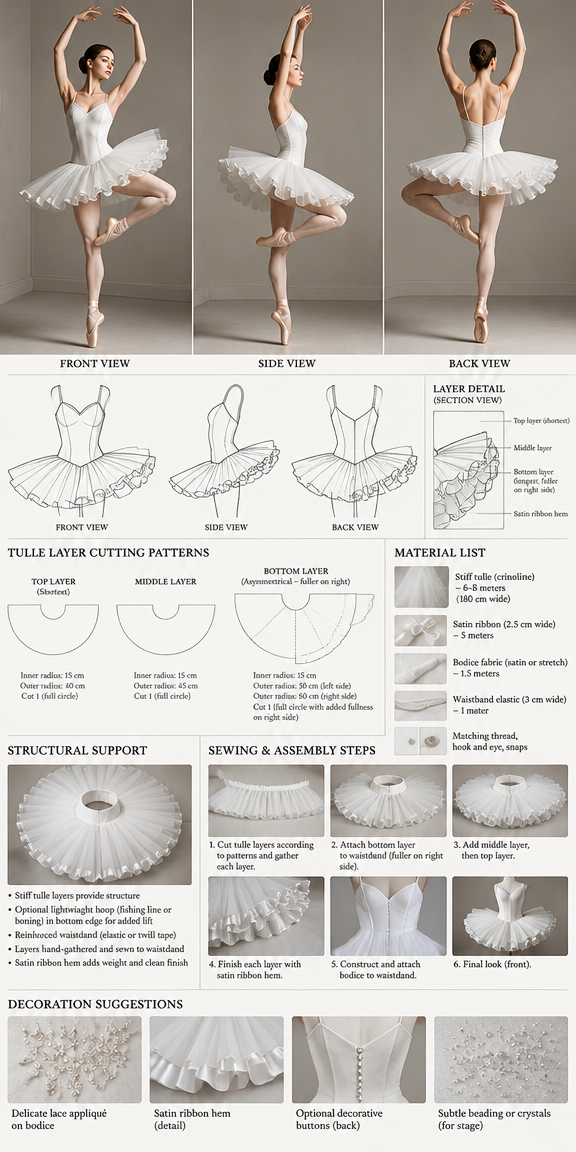
Sketch to design: Act as a professional fashion designer and costume engineer. Based on the provided sketch of a ballerina in a classical pose (arms raised, right leg bent), design a detailed ballet tutu (fin-like skirt) that perfectly matches the illustration. Design Specifications: - Garment Type: Classical or Semi-Classical Tutu (matching the sketch) - Attachment Point: Fitted waistline of the bodice - Silhouette/Form: Asymmetrical layered tulle with soft, fluffy ruffles. Note: In the sketch, the right side (near the bent leg) flares out wider and has more gathered volume than the left side. - Length: Short (approx. 10–15 cm below the waist) - Materials: Multiple layers of stiff tulle (Tulle) + satin ribbon for the hem - Color: White or cream (to match the monochrome sketch) Required Output: 1. Three-view technical sketch (Front, Side, Back) detailing the layer structure. 2. Cutting pattern for the tulle layers, including dimensions and gathering instructions. 3. Material list: Tulle type (e.g., stiff crinoline), yardage, satin ribbon, waistband/elastic. 4. Structural support: How to attach and support the layers to maintain the shape (e.g., using padding or a wire hoop). 5. Sewing and assembly steps for the asymmetrical layers. 6. Decoration suggestions: Ribbons, appliqué, or decorative stitching.
Keep exploring
See More
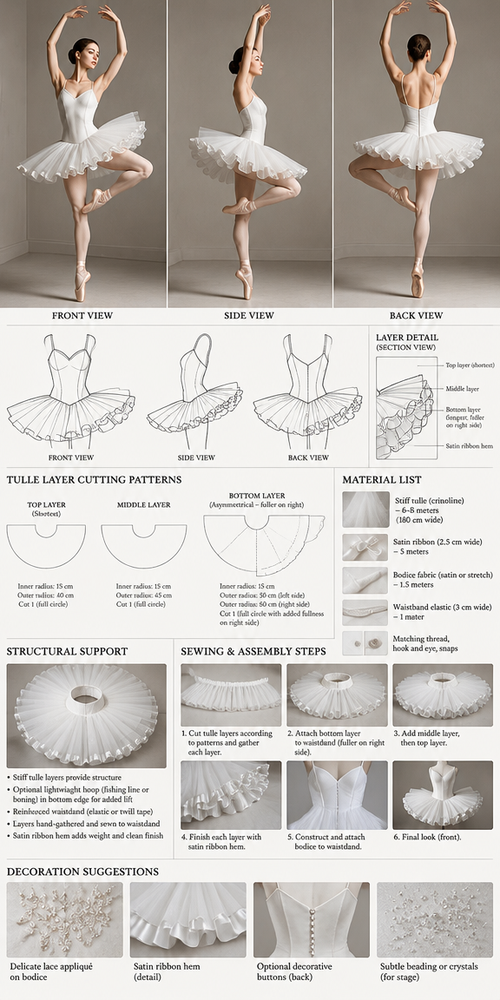
Sketch to design: Act as a professional fashion designer and costume engineer. Based on the provided sketch of a balleri...
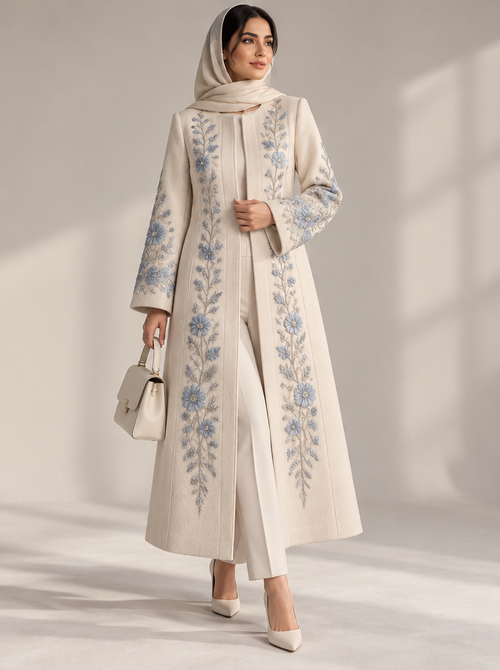
Sketch to design: A beautiful modern modest Iranian women's long coat, elegant tailored silhouette, light cream fabric, ...
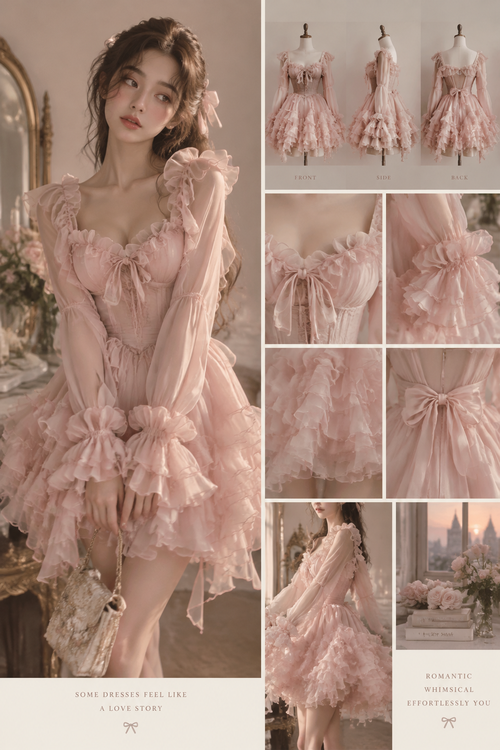
Whimsical dresss short dress blush pink colour vibe of dress falling in love with many ruffles long sleeves ruffles and ...
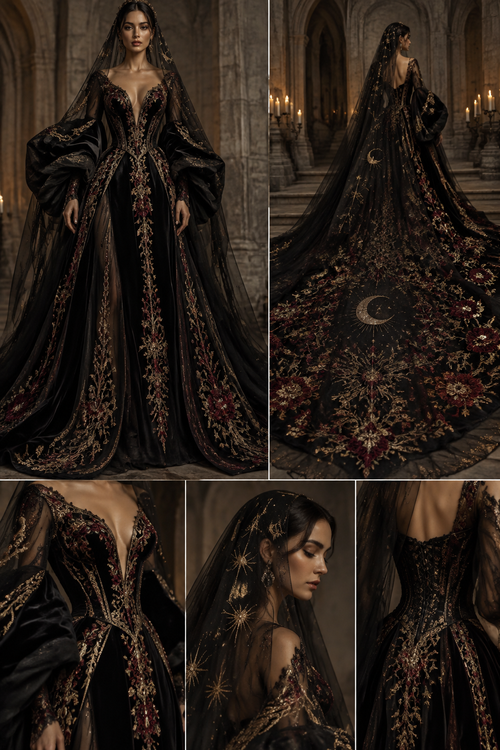
black velvet gown gold and crimson embroidery 3m cathedral train dramatic oversized sleeves deep V neckline sheer overl...
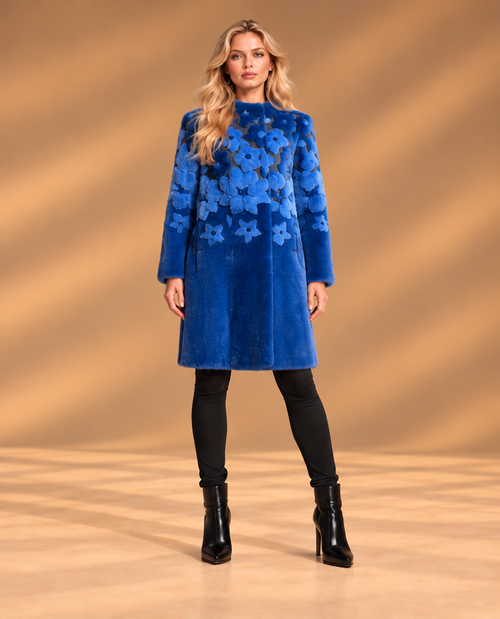
Virtual try-on
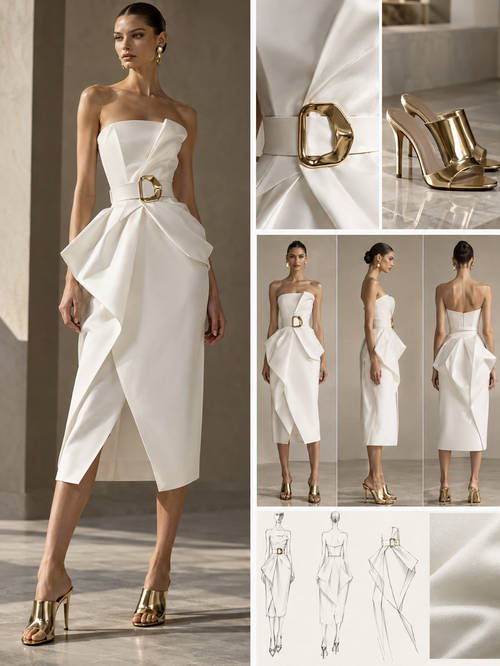
Short white strapless dress midi length with gold buckle at center dress with white belt. Gold mule high heel.
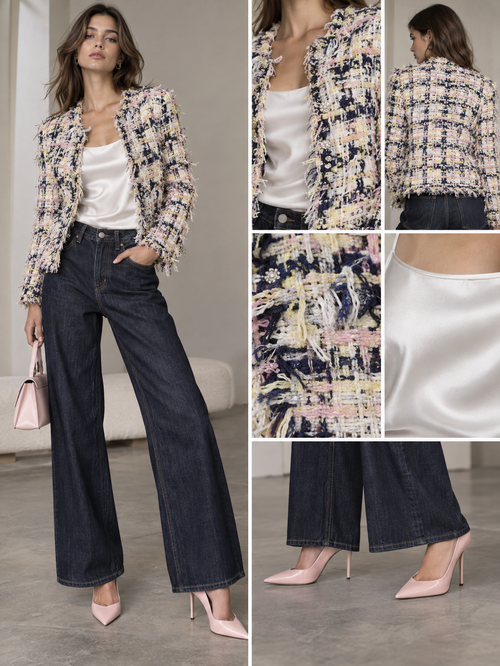
frayed Navy and frayed white and frayed light yellow and light pink frayed tweed all over frayed tweed all over jacket ...
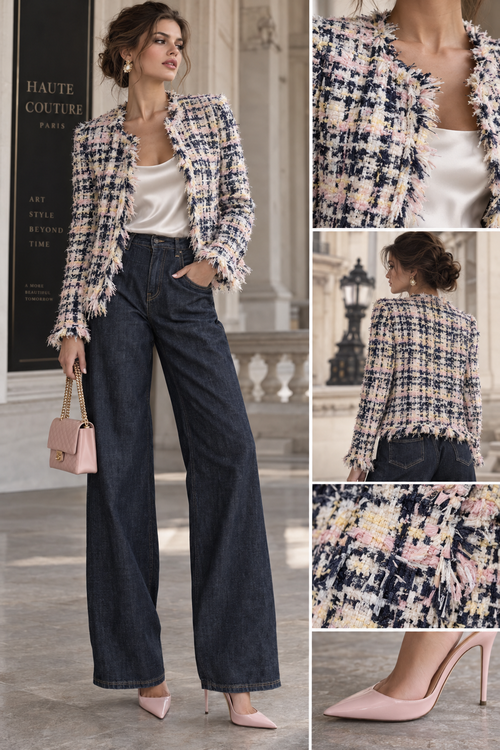
Navy and white and light pink and light yellow all frayed tweed jacket with no buttons. White satin tank top underneath ...
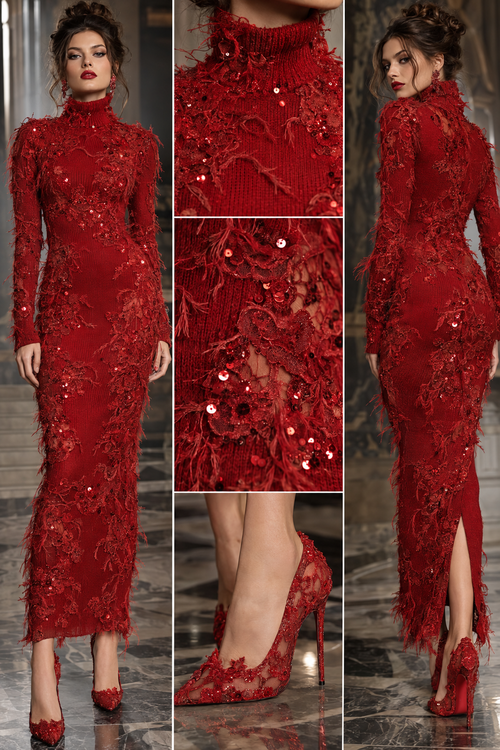
Red long tight sweater dress with red turtleneck with frayed shag and red sequins scattered all over with red lace splot...

Light blue turtleneck sweater with white plaid and grass green plaid at center of sweater. Light blue loose fitted jeans...

Light pink blouse with one pocket top right with button and long sleeves. Light pink long wool a line skirt with light p...

Black bike shorts with white long sleeve crop top with grass green stripe on sleeve. Black gym shoes with grass green an...

Black bike shorts with white long sleeve crop top with grass green stripe on sleeve. Black gym shoes with grass green an...

Plain Black lace corset with spaghetti straps with scattered sequins in black on corset. Black lace pencil skirt with bl...

Black lace corset with spaghetti straps with scattered sequins in black on corset. Black lace pencil skirt with black sc...

Black lace long dress tight on top With no sleeves and loose on bottom low cut top with ruffled shoulders with black sca...

Black lace long dress tight on top With no sleeves and loose on bottom low cut top with ruffled shoulders with black sca...

Khaki Jean pants loose with khaki blouse Tucked in pant one pocket top right with button and one pocket top left with bu...

Khaki Jean pants loose with khaki blouse Tucked in pant one pocket top right with button and one pocket top left with bu...
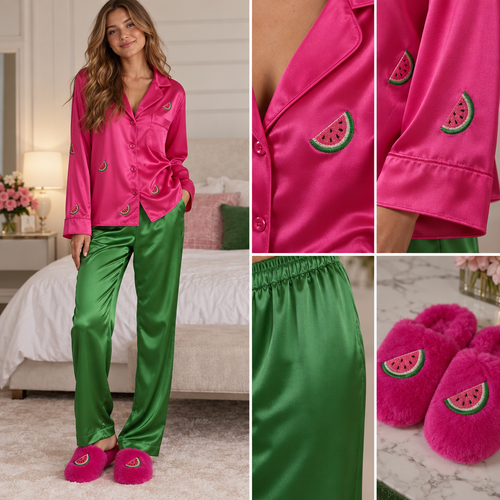
Fushia satin pajama top with long sleeves and fushia buttons with embroidered Few watermelons on pajamas. Grass green sa...
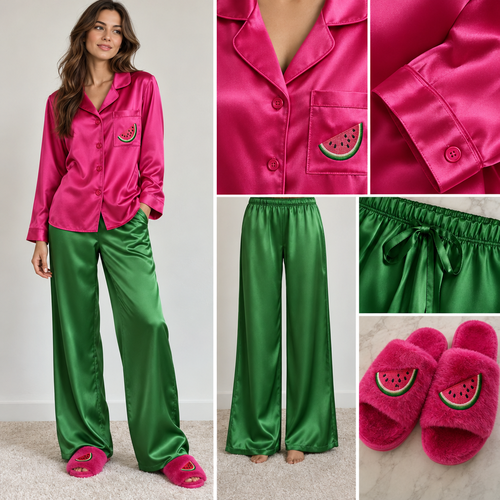
Fushia satin pajama top with long sleeves and fushia buttons with embroidered watermelon on pajamas. Grass green satin p...
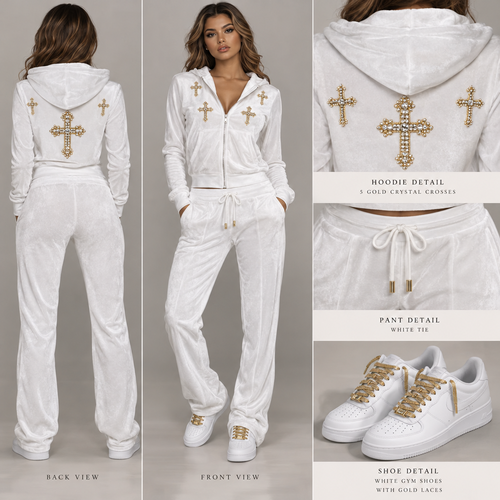
White velour jogging suit with long sleeves and white velour zip up hoodie. White velour pants with white tie. 5 gold cr...
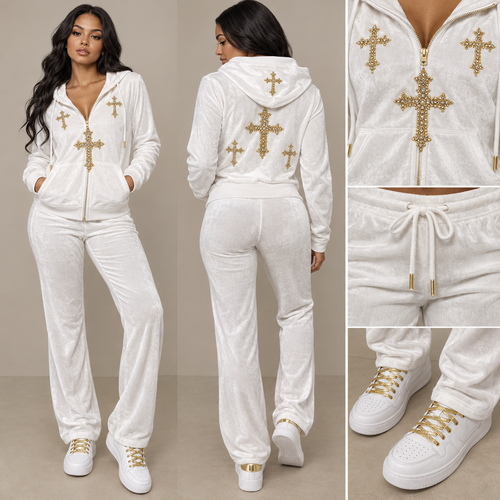
White velour jogging suit with long sleeves and white velour zip up hoodie. White velour pants with white tie. 5 gold cr...
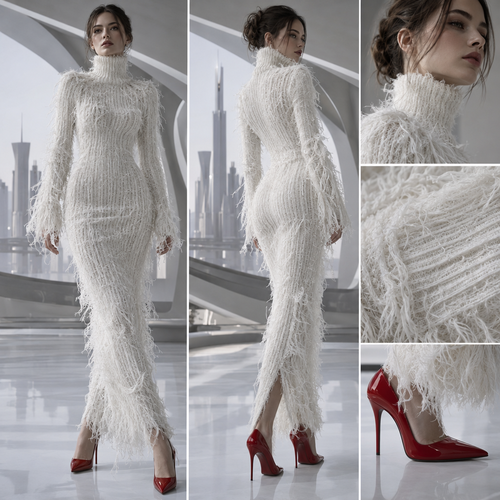
White tight long sweater dress with turtleneck. White shaggy frayed long tight sweater dress. Red high heel.
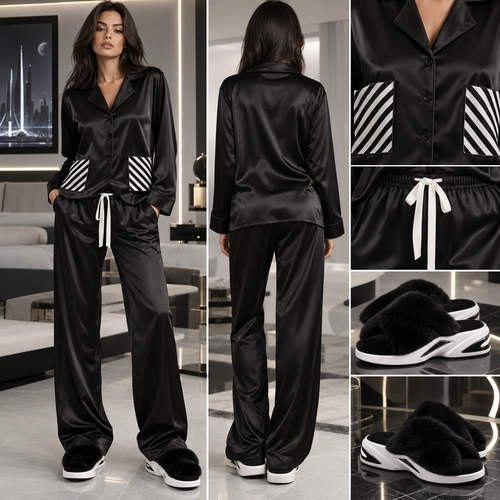
Black satin long sleeve pajama top and long black satin pajama bottoms with white tie at waist. On black pajama top two ...
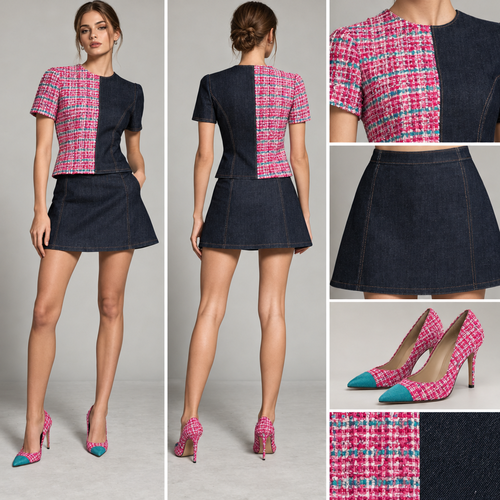
Short sleeve dark denim top with half right side And sleeve of top hot pink and white and turquoise tweed. A-line Dark s...
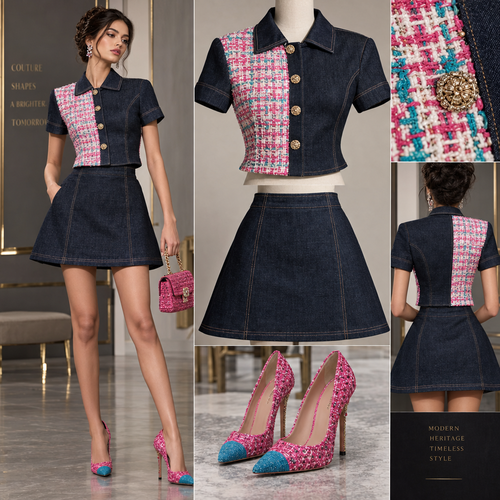
Short sleeve dark denim top with half right side of top hot pink and white and turquoise tweed. A-line short denim skirt...
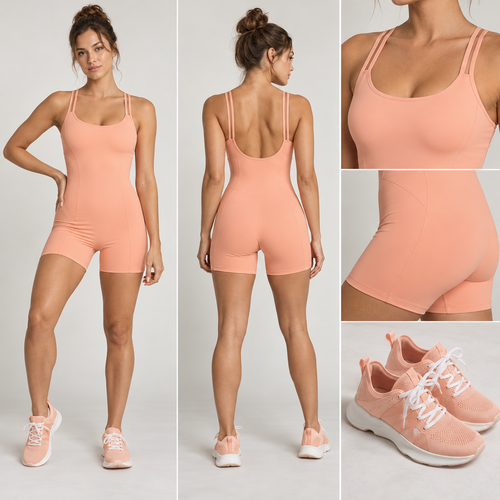
Peach tight unitard with two straps at top and shorts at bottom. Peach gym shoe with white shoe tie.
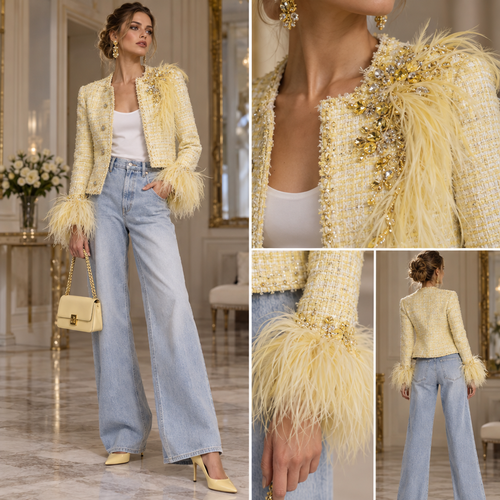
Light yellow tweed jacket with long sleeves and yellow feathers and yellow crystals at top right of jacket. Light yello...
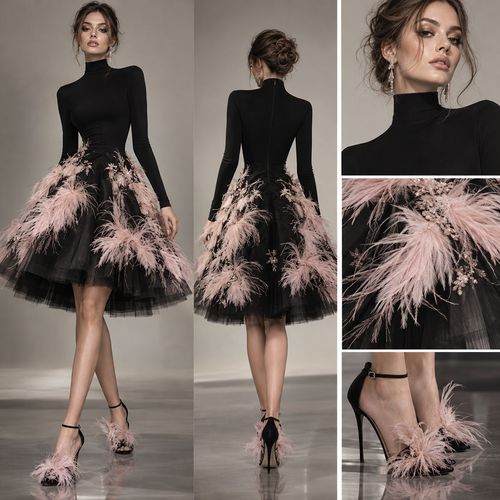
Tight long sleeves black top with a-line skirt with tulle underneath. Light pink feathers on a-line skirt. Black high he...
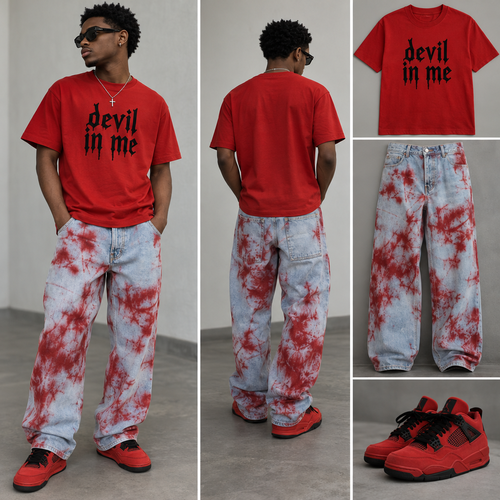
Red t-shirt saying devil in me with black letters. Light blue loose Jean with red tie dye all over jean . red gym shoe w...
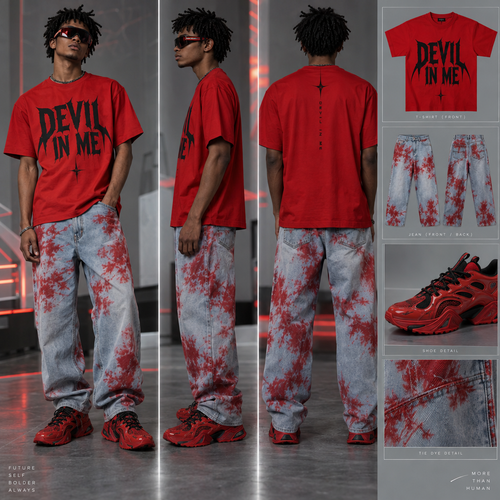
Red t-shirt saying devil in me with black letters. Light blue loose Jean with red tie dye all over jean . red gym shoe w...
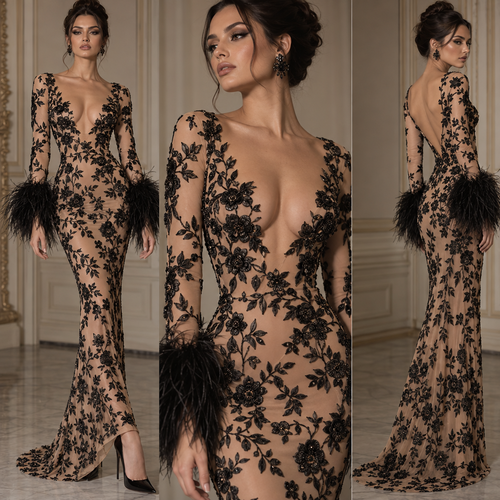
Nude tight long dress with long sleeves low cut in top of dress with black embroidered flowers all over and black feathe...
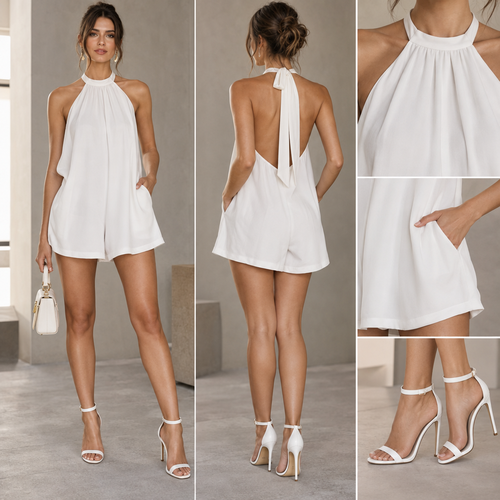
Loose white halter romper sleeveless with shorts .white open toe high heel..
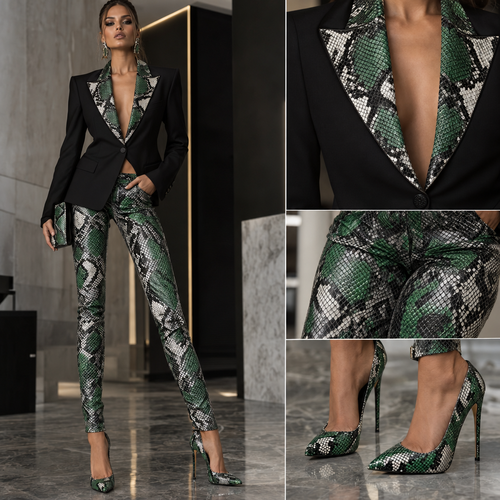
Black tuxedo jacket with black buttons and green and black and white snakeskin on lapels. Tight snakeskin jeans with gre...
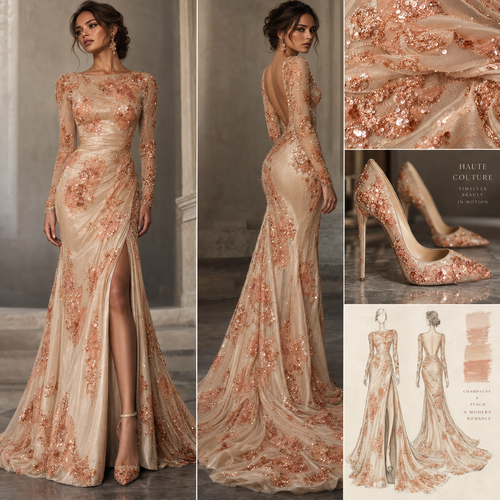
Champagne long sleeve long dress tight on top and loose fitted on bottom with side slit in bottom of dress. Peach splotc...
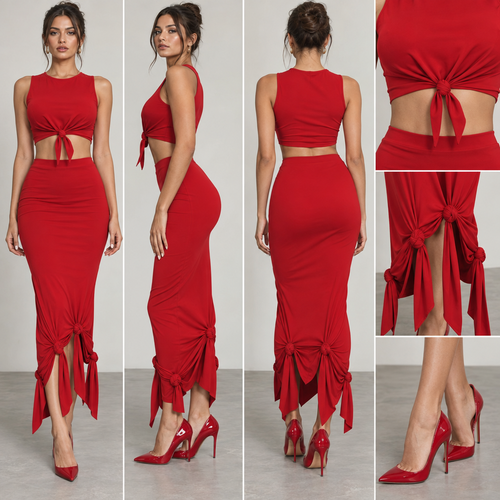
Red sleeveless crop top with shirt tied in knot at bottom of crop top. Red long tight skirt with four knots tied in skir...
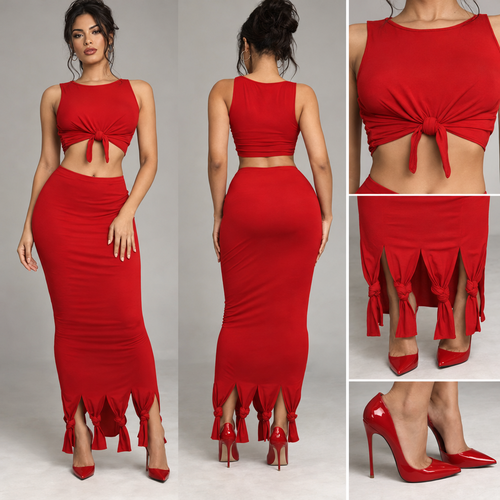
Red sleeveless crop top with shirt tied in knot at bottom of crop top. Red long tight skirt with four knots tied in skir...
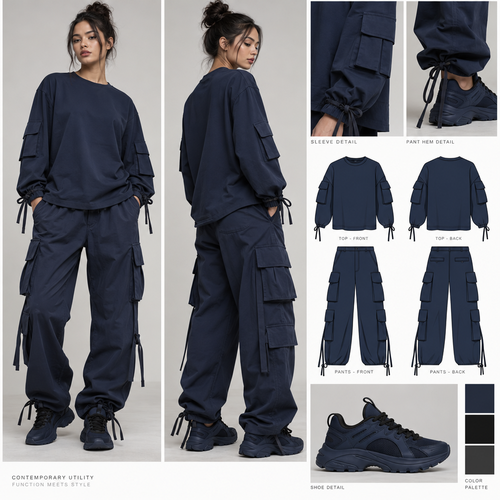
Navy long sleeve cargo top loose with cargo ties at bottom of sleeve. Navy loose fitted cargo pants with cargo ties at b...
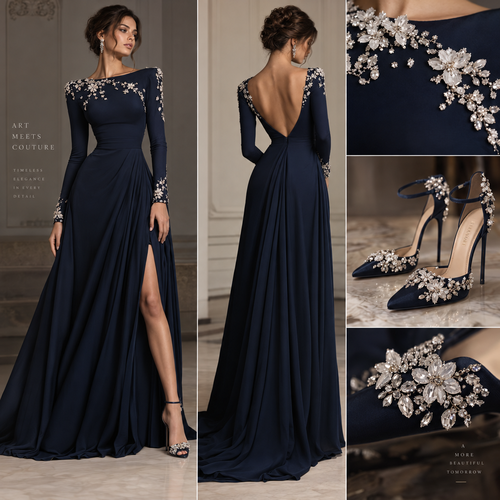
Navy long sleeve dress tight on top and loose on bottom side slit on bottom of dress. Little white flower crystals at to...
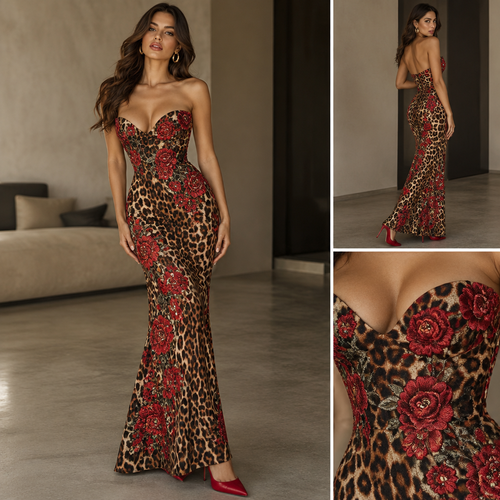
Long tight leopard dress strapless low cut dress with red embroidered flowers all over dress. Red high heel.
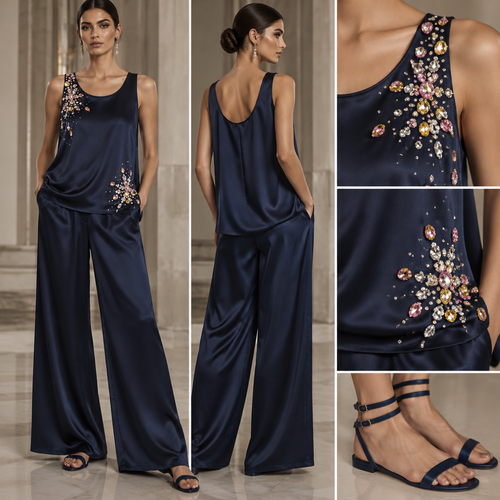
Navy satin tank top.loose fitted with pink and yellow and white crystals at top right and bottom left of tank top. Navy ...