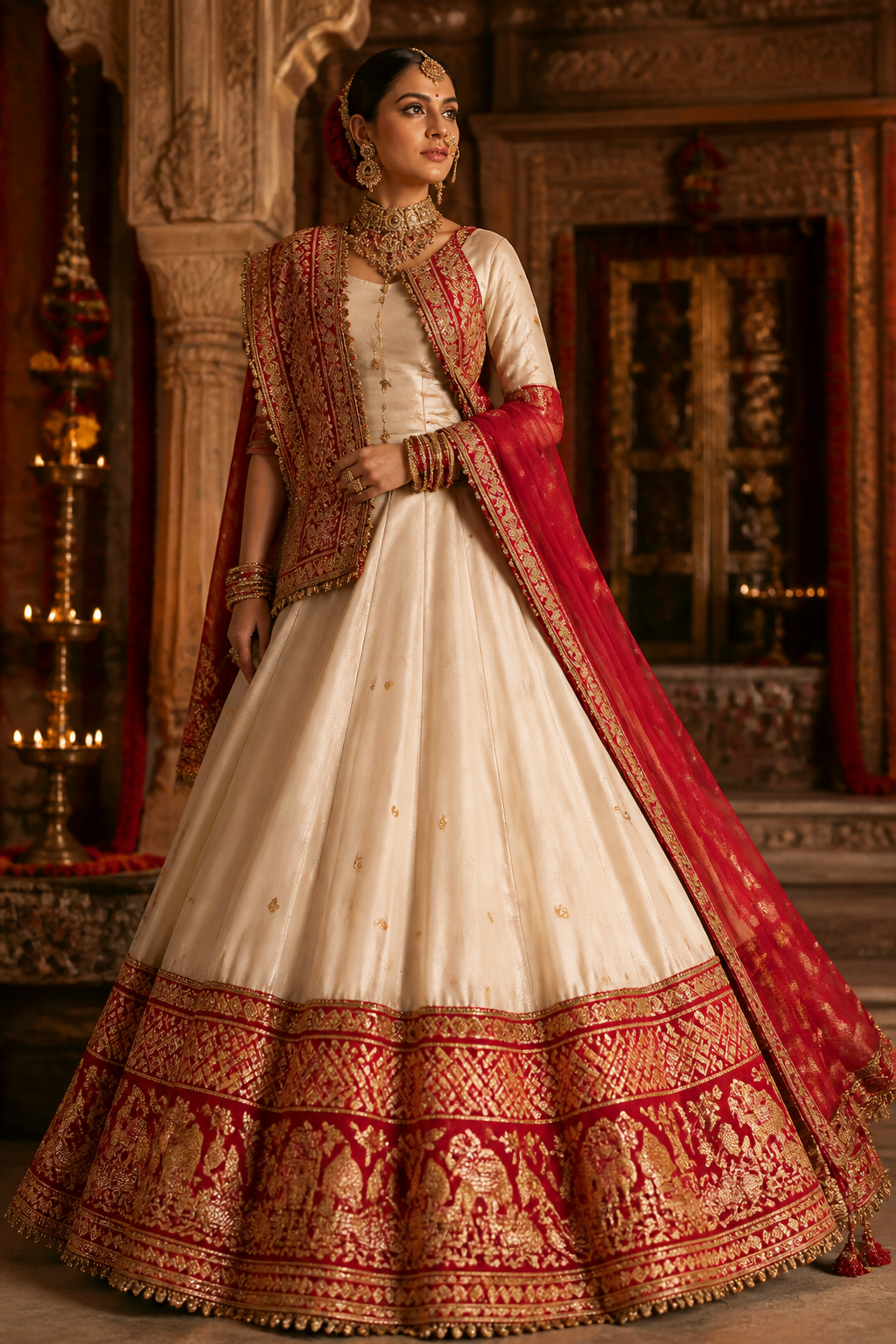
Create a highly realistic, elegant Gujarati bridal lehenga inspired by the traditional Gujarati Panetar saree, reinterpreted as a contemporary full bridal lehenga. The design should feel authentically Gujarati, heritage-rich and handcrafted, not like a generic North Indian bridal lehenga. SILHOUETTE Create a very full, graceful circular lehenga with a large natural flare and elegant movement. The skirt should have a high-waisted, elongated silhouette and fall beautifully to the floor. The overall proportion should make the bride look graceful and elongated rather than visually shortened. The lehenga should have a clean ivory/off-white body, inspired directly by the ivory base of a traditional Panetar saree. The ivory area should remain visually calm and uncluttered. LEHENGA BODY Use a warm ivory / antique ivory / soft off-white silk or raw silk as the primary fabric. Keep the main body mostly plain. Add only very small, delicate scattered gold butis, spaced widely apart. The butis should be subtle enough that the ivory fabric remains the dominant visual element. Avoid dense embroidery, sequins, mirror work or heavy motifs across the entire skirt. LOWER HERITAGE BORDER The lower 10–12 inches of the lehenga should become the major Gujarati heritage statement. Create a rich deep bridal-red textile border composed of carefully organized horizontal bands. The border should include: A very thin antique-gold zari line. A Patola-inspired geometric band using diamonds, intersecting shapes and traditional geometric rhythm. A Gujarati folk-art motif band featuring elephants, peacocks, parrots, floral vines and traditional Gujarati decorative motifs. A smaller floral/geometric supporting band. A narrow antique-gold zari border. A delicate scalloped or traditional Gujarati finishing edge at the hem. The border should look like an authentic woven Gujarati textile, with intricate but controlled detailing. The Patola influence should be recognizable through its geometric composition and rhythm, but the entire lehenga should NOT look like a Patola saree. COLOUR PALETTE Use a restrained Gujarati bridal palette: Warm ivory/off-white — 55–60% Deep bridal red — 25–30% Antique gold — 10–12% Very subtle heritage green accents — 2–3% Do not introduce bright pink, orange, neon green, blue or purple. The red should be a deep traditional Gujarati bridal red, not a bright scarlet. Gold should be antique/muted zari, not excessively shiny yellow gold.
Keep exploring
More Bridal
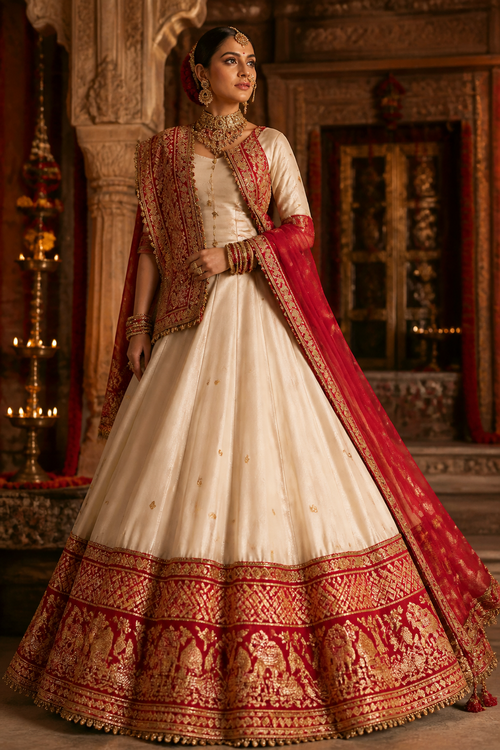
Create a highly realistic, elegant Gujarati bridal lehenga inspired by the traditional Gujarati Panetar saree, reinterpr...
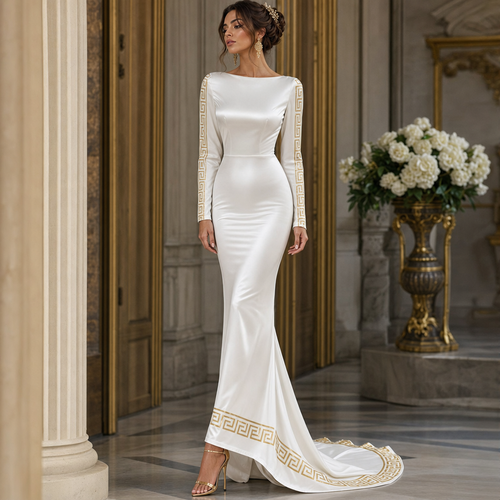
Long white tight satin dress with long sleeve and gold Greek key on sleeves..gold Greek key on bottom of dress. Gold hig...
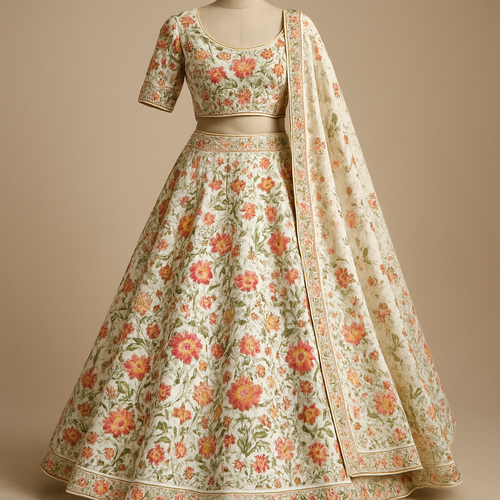
BRIDAL LEHENGA - WHITE COLOUR FABRIC WITH FULL EMBROIDERY COLORFUL FLOWERS AND MATCHING TOP AND SHAWL

A dreamy display of delicate tulle and chiffon fabrics, layered to create a soft, cloud-like effect. The scene focuses o...
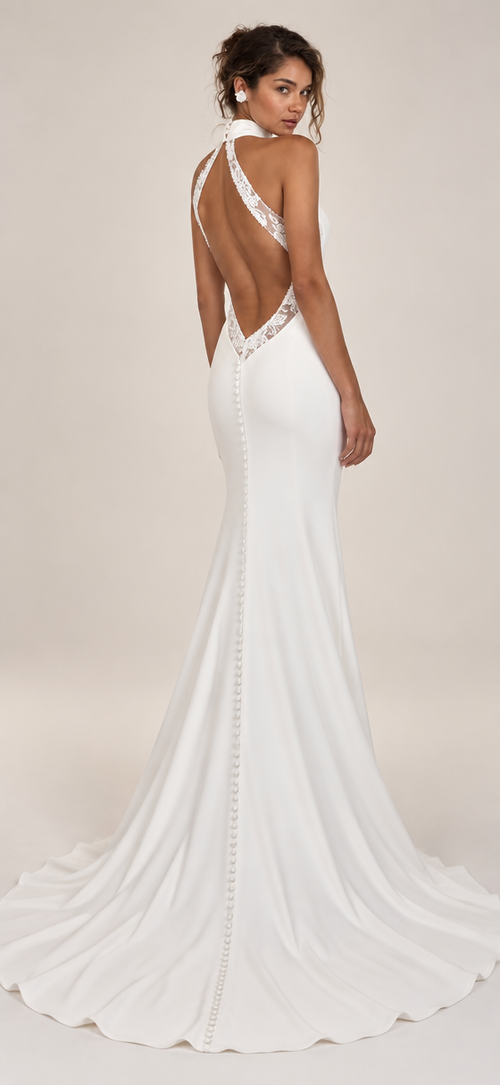
On-model photoshoot (studio)
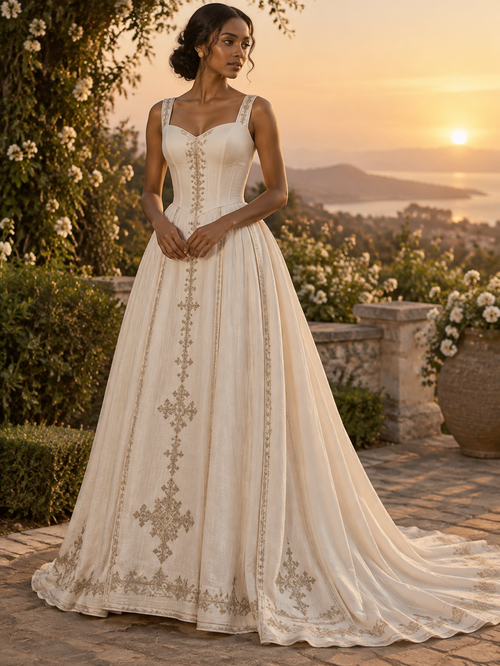
Modern Eritrean Zuria, ivory cream fabric, floor length, elegant ethereal silhouette, structured corset bodice with a su...
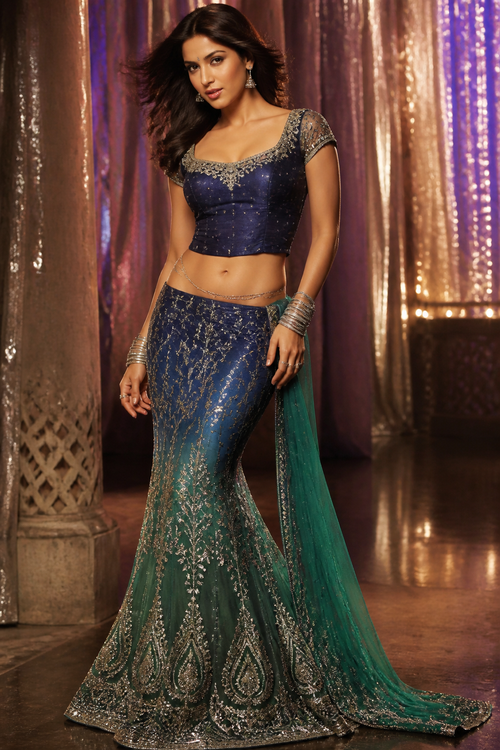
### Y2K Indo-Western Outfit Design Prompt Design a **2000s-inspired Indian Y2K fusion outfit** with a glamorous Bollywo...
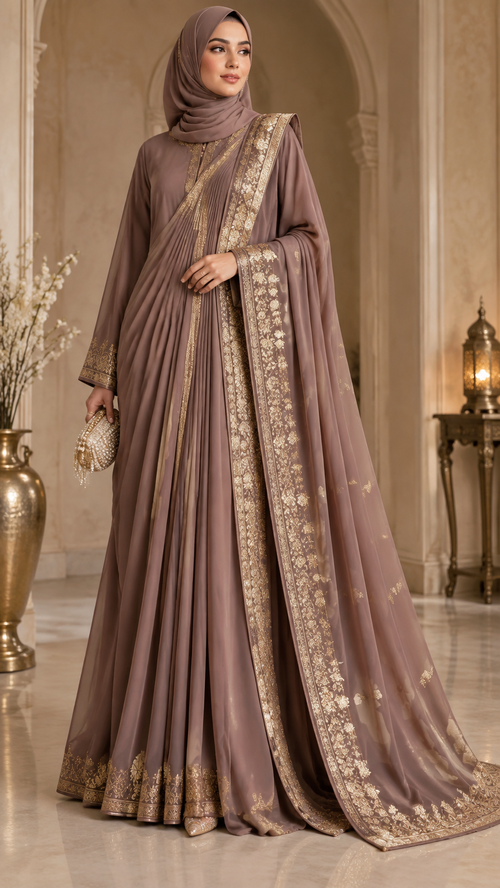
Create a premium luxury modest fashion design called “Saree Fusion Abaya”. The garment must be a true Abaya silhouette,...
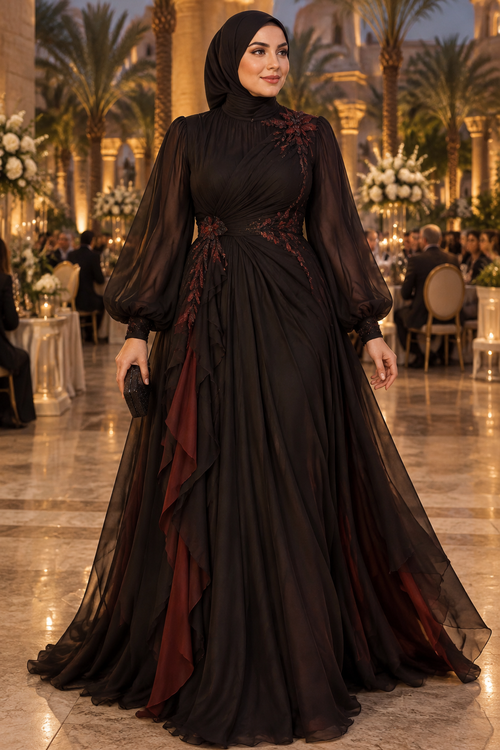
Design a one-of-a-kind couture-inspired wedding guest gown as if Dracula's wife were attending an elegant family wedding...

beautiful options for ladies kids and teens in handloom timeless creative designs with zero wastage sustainable and na...

two female Brides with Bust in shiny PVC Dark Pastel & Sepia clothing (corsets, chockers, girdle with Garter belts & glo...
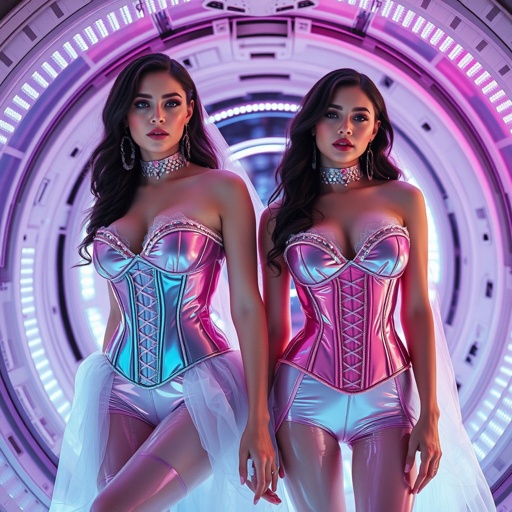
two female Brides with Bust in shiny PVC Pastel-Dark/Sepia clothing (corsets, chockers, girdle with Garter belts & gloss...

two female Brides with Bust in shiny PVC Pastel-Dark/Sepia undergarments (corsets, chockers, girdle with Garter belts & ...

two female Brides with Bust in shiny PVC Pastel-Dark/Sepia clothing (corsets, chockers, girdle with Garter belts & gloss...

two female Brides with Bust in shiny PVC Dark Pastel & Sepia clothing (corsets, chockers, girdle with Garter belts & glo...

two female Brides with Bust in shiny PVC Pastel-Dark/Sepia clothing (corsets, chockers, girdle with Garter belts & gloss...

two female Brides with Bust in shiny PVC Pastel-Dark/Sepia clothing (corsets, chockers, girdle with Garter belts & gloss...

two female Brides with Bust in shiny PVC Pastel-Dark/Sepia clothing (corsets, chockers, girdle with Garter belts & gloss...

two female Brides with Bust in shiny PVC Pastel-Dark/Sepia clothing (corsets, chockers, girdle with Garter belts & gloss...

two female Brides with Bust in shiny PVC Pastel-Dark/Sepia clothing (corsets, chockers, girdle with Garter belts & gloss...

two female Brides with Bust in shiny PVC Pastel-Dark/Sepia clothing (corsets, chockers, girdle with Garter belts & gloss...

two female Brides with Bust in shiny PVC Pastel-Dark/Sepia clothing (corsets, chockers, girdle with Garter belts & gloss...
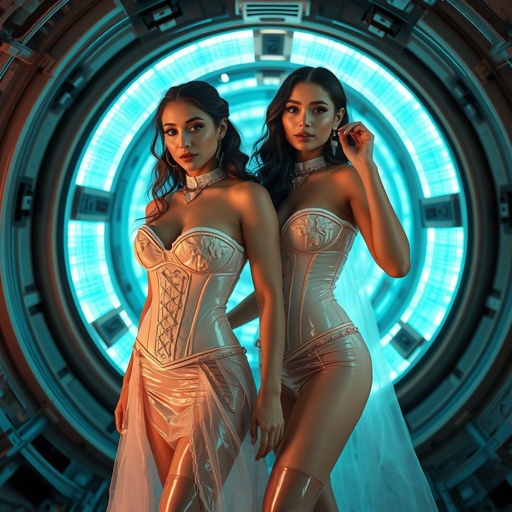
two female Brides with Bust in shiny PVC Pastel-Dark/Sepia clothing (corsets, chockers, girdle with Garter belts & gloss...

two female Brides with Bust in shiny PVC Pastel-Dark/Sepia clothing (corsets, chockers, girdle with Garter belts & gloss...

two female Brides with Bust in shiny PVC Dark Pastel & Sepia clothing (corsets, chockers, girdle with Garter belts & glo...

two female Brides with Bust in shiny PVC Pastel-Dark/Sepia clothing (corsets, chockers, girdle with Garter belts & gloss...

two female Brides with Bust in shiny PVC Pastel-Dark/Sepia undergarments (corsets, chockers, girdle with Garter belts & ...

two female Brides with Bust in shiny PVC Pastel-Dark/Sepia undergarments (corsets, chockers, girdle with Garter belts & ...

two female Brides with Bust in shiny PVC Pastel-Dark/Sepia clothing (corsets, chockers, girdle with Garter belts & gloss...

two female Brides with Bust in shiny PVC Pastel-Dark/Sepia clothing (corsets, chockers, girdle with Garter belts & gloss...
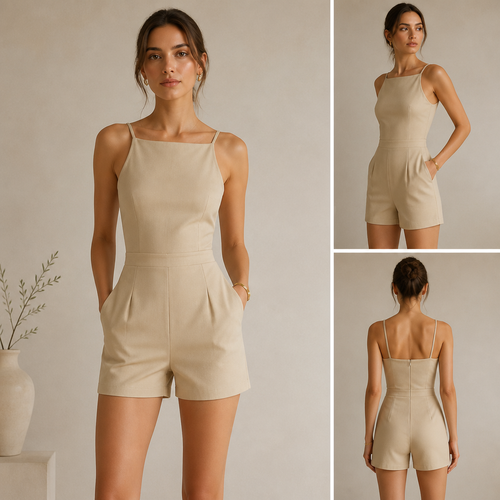
combinaison beige en coton , col bateau , short taille haute , ventre gainan , bride de 1cm , effet push up niveau fess...
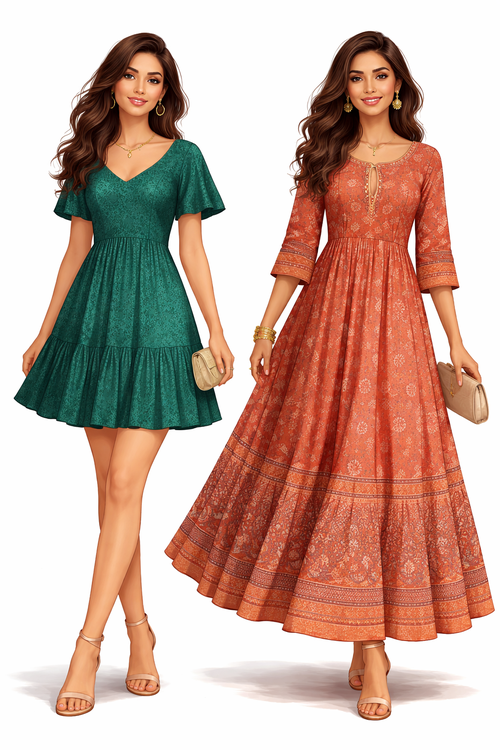
Give me the dress design patter. Which looks casual as well as party wear which an Indian girls cana wear without any sh...
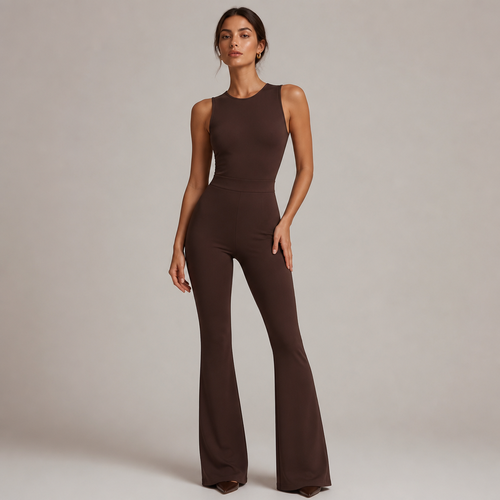
Combinaison de couleur chocolat , col rond , fine bride de 3 cm d'epaisseur , pantalon taille haute , ventre gainant , l...
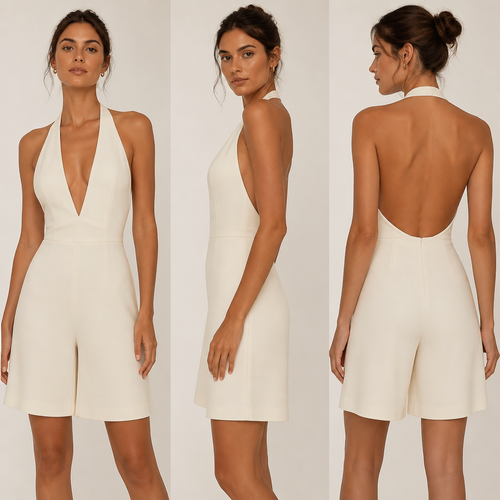
combinaison longeur Capri blanc cassé , matiere 76 % de polyamide / 24 % d’élastane , scultante , col décolleté , bride ...
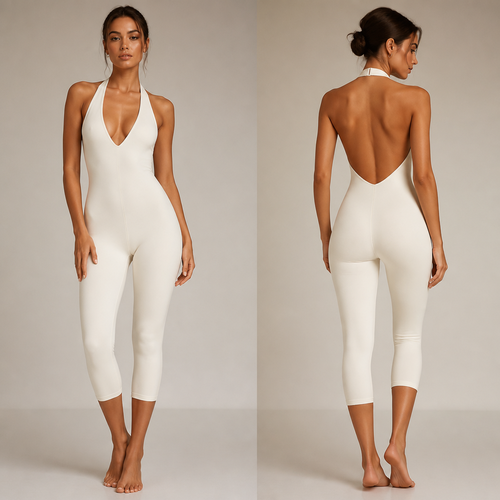
combinaison longeur Capri blanc cassé , matiere 76 % de polyamide / 24 % d’élastane , scultante , col décolleté court , ...
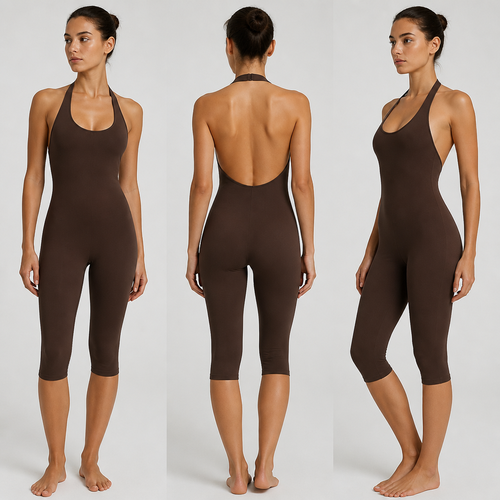
combinaison longeur Capri (chocolat,beige, noir,gris antracite) , matiere 76 % de polyamide / 24 % d’élastane , scultan...
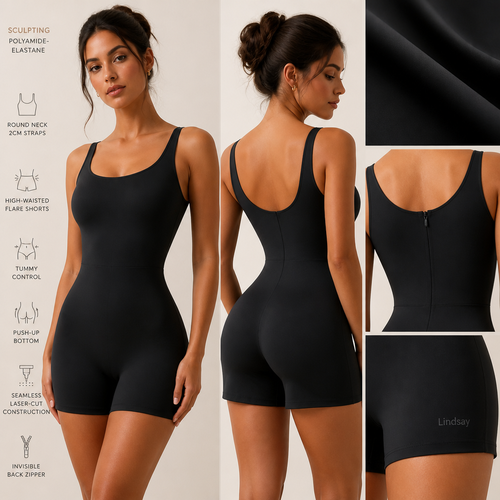
combinaison short matiere 76 % de polyamide / 24 % d’élastane , scultante , col rond , bride de 2cm de largeur , ventre ...
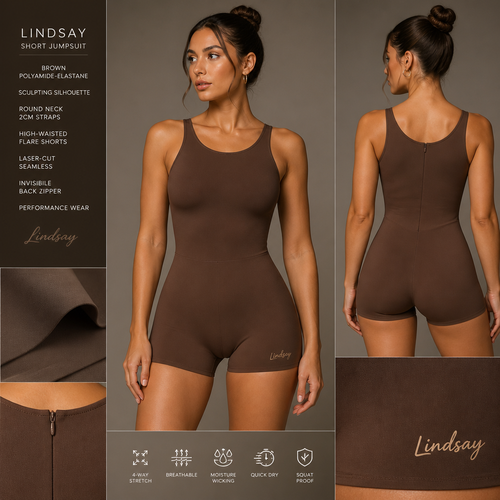
combinaison bermuda marron qui arrive 2cm au dessus des genoux, matiere 76 % de polyamide / 24 % d’élastane , scultante ...
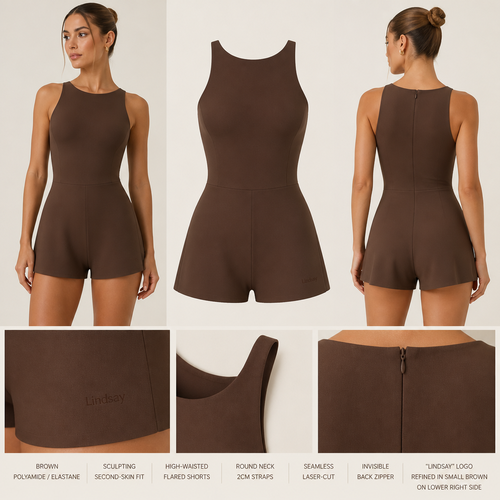
combinaison short marron qui arrive 2cm au dessus des genoux, matiere 76 % de polyamide / 24 % d’élastane , scultante , ...
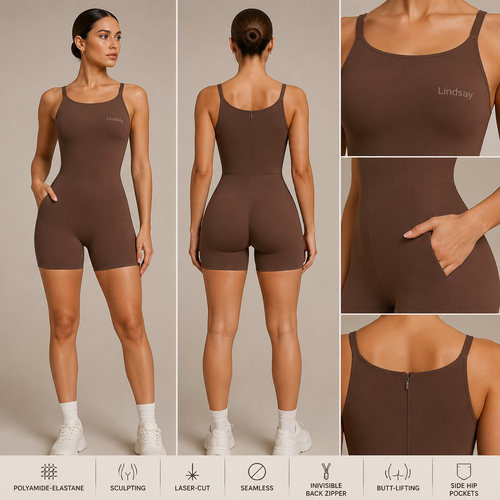
combinaison short long marron qui arrive 2cm au dessus des genoux, matiere 76 % de polyamide / 24 % d’élastane , scultan...
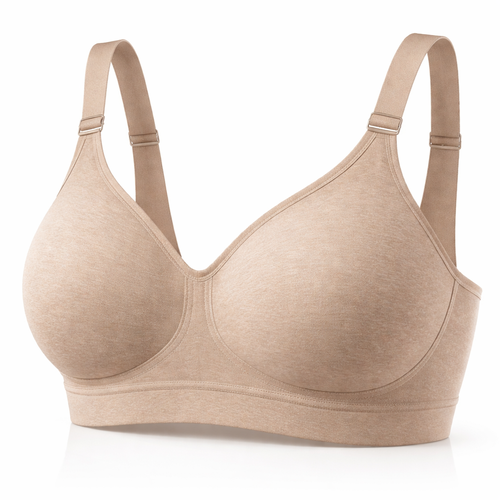
Quiero diseñar un sostén amigable para las mujeres de pecho grande ya que hay mujeres que sufrimos por no poder encontra...